

by Stephanie Kwan
From movie to teenage pressure, here’s a fresh, honest look at what dignity really means for the next generation.
Rain is pouring on you. As the world rushes to its next destination, you remain standing behind your small wooden cart, straining your throat to sell dumplings. In moments like this, you are no longer praying for the next customer to stop. You’re contemplating whether to endure this life or to walk away.
The virtuous choice has always seemed obvious, because walking away means giving up. Before Wanchai Ferry became one of the most recognisable Hong Kong dumpling brands across the world, its founder, Chong Kin-wo, weathered through moments like this. The film Dumpling Queen follows her story as a single mother selling dumplings on the street to support her family, long before her eventual success.
Similar to her, I chose to carry on with debate training after a mortifying first attempt, hoping I would regain my dignity and become exceptional at public speaking. Yet, two years later, I quit, and now I feel grateful.
It was a hard decision. For two years, I believed perseverance alone would make me exceptional. I didn’t realise that endurance isn’t the same as growth, and that sometimes, quitting is also an act of dignity.
Growing up in a typical Asian family, I have constantly heard about the seemingly effortless achievements from the children of our parents’ friends. In school, I have learnt about the extraordinary triumphs of talented individuals, whose lives can be neatly fitted into a simple storytelling structure: challenges, perseverance, and then success.
While these stories are meant to inspire and steer young people towards bigger dreams and conquests, they often attribute success solely to exceptional talent, or worse, glorified grit.
I believed in this never-give-up spirit too. Since young, political debates and argumentation have deeply intrigued me. When I entered the impromptu debate class, a small part of me expected to thrive. But 15 minutes in, I stared blankly at a motion about economic sanctions while everyone skillfully scribbled their scripts. As I trudged to the podium with gibberish notes, my only thought was: I better unlock great speaking talent right now, or I will look like an idiot!
To my dismay, the universe didn’t answer my prayers. Under the watchful gaze of my teammates and the pitying look of my teacher, I delivered an embarrassing speech.
Sometimes, staying is brave, but leaving is braver.
Determined to prove myself, I went home and watched hours of debate videos. Giving up was not an option, not in my childhood storybooks, and certainly not from the preachings of adults around me.
But even as my hard work brought minor improvements, I had never felt content. Nausea and dread followed me relentlessly; each class triggered a wave of fight-or-flight anxiety. I thought: if I just push through the discomfort, I will eventually grow and reach the success waiting at the end of the story, and be proud of my perseverance.
It took me a long time to realise that I had mistaken toxic positivity for having a backbone. The pressure to succeed in each class made me feel like the world would end if I did worse. Dismissing my burnout caused my genuine joy for public speaking to slip away. I wasn’t growing; I was enduring for the sake of endurance.
The moment I decided to stop taking debate classes, I felt relieved but immensely guilty. I felt I had wasted time and let people down. When I confessed these feelings to my grandmother, she sighed, “Young people these days lack ambition…”
For a moment, I doubted myself. Had I taken the easy way out? But the truth is, many of us don’t lack “ambition”.
The stories we read in our school textbooks, hear from our parents, and watch on television offer only two forces behind success: be born a prodigy like Einstein or Mozart, or, if you’re not naturally gifted, you’d better have endless grit.
For my grandmother’s generation, survival alone required ironclad resilience. Quitting wasn’t a choice, but rather a luxury. If you didn’t work hard, you would starve. Similarly, Chong, in Dumpling Queen, had no choice but to keep pushing her cart to provide financial security for her two daughters.
During my time in debate, I felt small, not because I was bad, but because I had tied my self-worth to my performance. Every class was a test to survive, rather than an opportunity to learn.
That’s when I started thinking about Chong again, not about her ultimate success, but the way she carried herself through her darkest days. What kept her going wasn’t ambition; it was something else.
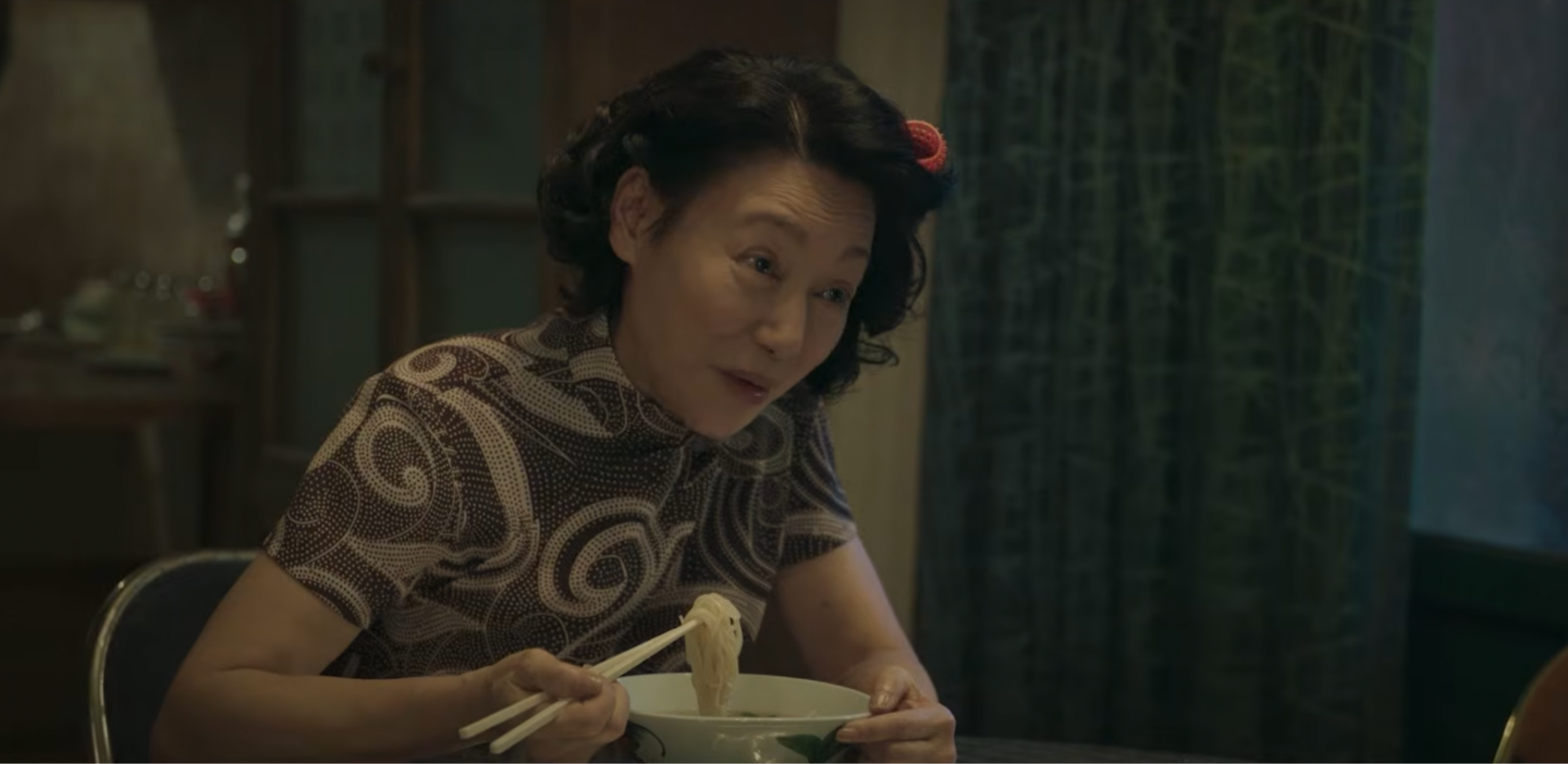
In Dumpling Queen, there is a scene where Chong returns home feeling defeated. Her landlord friend, who’s a former prostitute, tells her: “No matter what, keep your head up.”
This isn’t just a motivational one-liner about grinding until you succeed. It reminds Chong that her worth isn’t defined by how many customers stop by or how her dumplings taste. When police raid her stall, when gangsters demand protection money, or when passersby ignore her, she holds her head high anyway. She does so because of a quiet dignity that no one could strip away from her.
As Chong tells her daughters, ‘’All I want is devoted love and dignity that allows me to hold my head high.’’ She refuses a life that would make her bow.
For years, I bowed to the idea that my worth was tied to how well I delivered arguments. The difference between my endurance and Chong’s perseverance is that Chong couldn’t walk away. Her survival depended on her perseverance. I, however, had the luxury of choice. Choosing to quit wasn’t laziness; it was self-respect.
I’m not suggesting that endurance is wrong or that quitting is always right. We should stop treating either one as a moral victory. Sometimes, staying is brave, but leaving is braver. The only real question is whether you’re standing for something that matters to you, or standing just because you’re too afraid to stop.
Chong stood behind her cart for her family, independence, and dignity. When I walked away from debating, I realised that it wasn’t the path for me. Today, I channel my passion for public speaking into school leadership roles and competitions.
Choosing to change your path also takes immense courage. In the end, it is just another way of “keeping your head up”. ■
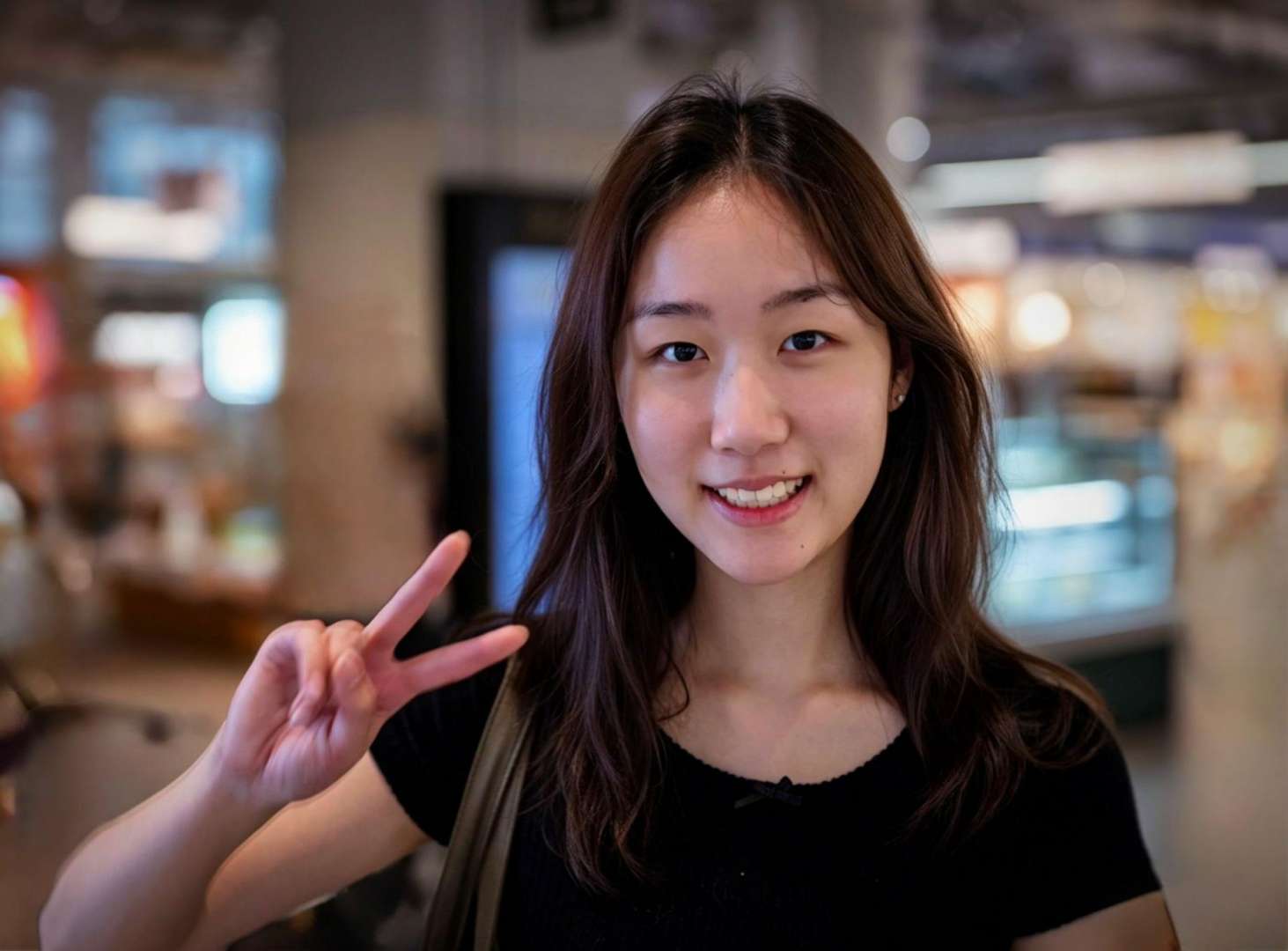
Stephanie Kwan is a student with interests in political thought, philosophy, music, and arts. She cares deeply about cultural identity and is especially passionate about protecting and reimagining Hong Kong’s unique creative and cultural heritage.