

This section explores the lived experiences of content creators. Through their personal stories — from their creative beginnings, moments of burnout and negotiating audience expectations, to the pursuit of authenticity, they reflect on what it truly means to build influence today.
My Trial Year
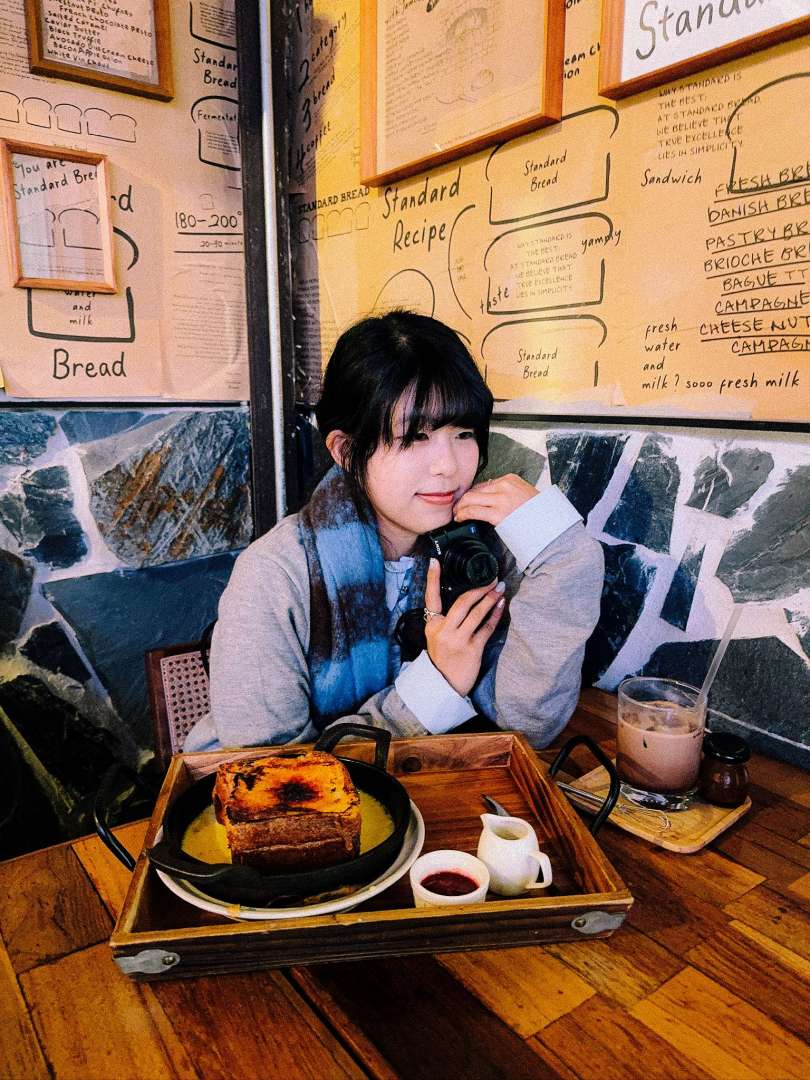
I have loved the camera since childhood, inspired by my father’s passion for photography. In primary school, I began making short videos and uploading them to YouTube. During the pandemic, while in secondary school, I created “Silent Vlogs”, where creators shared their daily lives without speaking, and I documented my routine of studying and working from home. To my surprise, these videos attracted a lot of viewers, prompting me to manage my social media more seriously.
While studying journalism and communication at university, I realised that my video work aligned with different career options in the industry, whether in journalism, public relations or media production. They all focused on storytelling. I then thought, instead of pursuing a traditional full-time job and working for a boss, why not manage my own platform? At that point, I already had around 20,000 followers, so I decided to give myself a year to try it out and see how far I could go. If things didn’t work out, I could always find a full-time job later.
Now, after graduating, I run my channel full-time and truly enjoy the freedom it offers. Unlike my friends who have to wake early and rush to work, I set my own schedule for filming and editing, which brings me a strong sense of fulfilment. My income covers my expenses and allows me to save for travel. Money isn’t my main concern; what matters more is living the life I want. Therefore, I find content creation suits me perfectly.
Most of my videos are driven by personal interests; I create content that excites me. Initially, I focused on exhibitions, leading to collaborations with museums and creative spaces. There was no initial income, because unlike YouTube, Instagram doesn’t have a revenue-sharing system. But opportunities for brand partnerships arose as my audience grew.
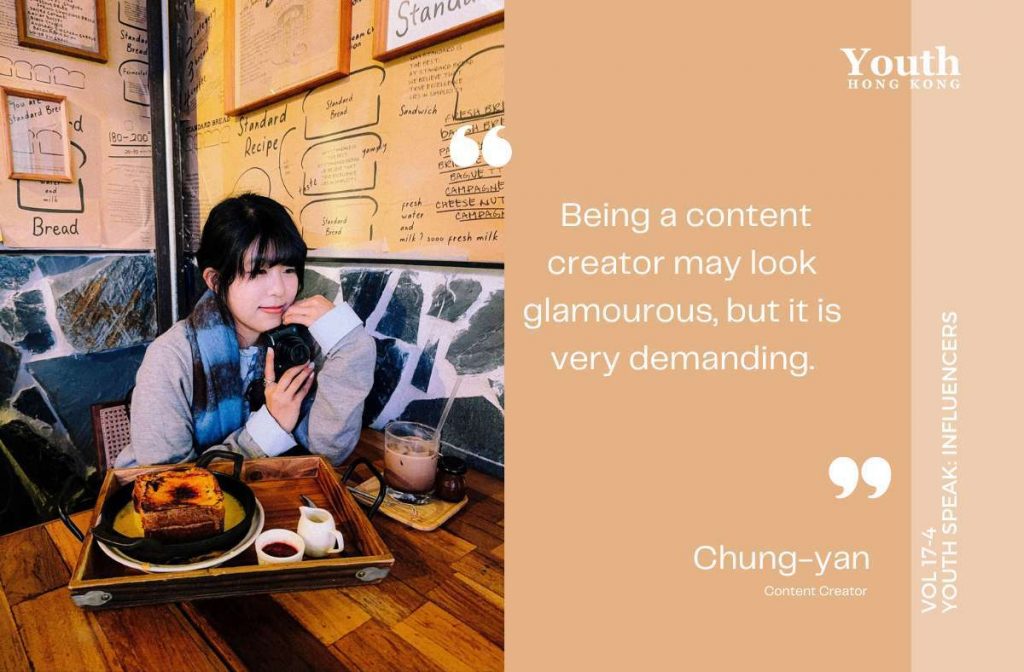
It may look glamorous, but it is very demanding. They underestimate the hard work, pressure, and uncertainty involved, and their comments can be discouraging.
However, challenges persist. Many think my job is easy: just filming videos for payment. They think, “You’ve got over 20,000 followers, it must be fun not to go to an office.” It may look glamorous, but it is very demanding. They underestimate the hard work, pressure, and uncertainty involved, and their comments can be discouraging, making me question my decision to be a full-time content creator.
At times, filming can also hinder my ability to fully enjoy experiences. To manage this, I plan my shots, narration and B-roll in advance, allowing me to focus on the moment after capturing what I need. I also keep my personal life separate from my work, avoiding sharing certain aspects online.
At the moment, I see being a content creator as a sustainable career, in spite of occasional doubts. I aim for my content to be informative, not just entertaining. While many use social media to unwind, I hope my audience gains useful insights from my videos. My videos reflect my genuine interests in exploring life, and filming is an extension of that. I believe I can continue this path long-term, though whether it continues to be my primary income source will depend on how things develop in the future. ■