
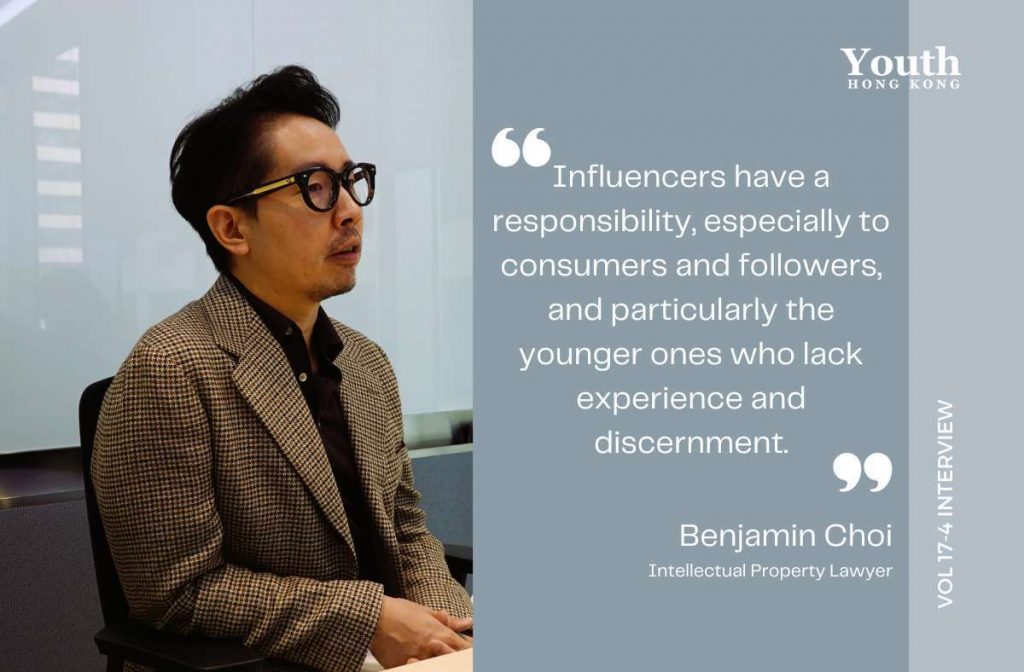
As influencer culture continues to expand, legal systems need to keep on adapting. Sometimes adaptation appears slow and reactive, but nonetheless, it is a necessary process. Lawyer Benjamin Choi’s message is simple: Influence is power that needs to be used sensibly.
The influencer world is no longer the carefree landscape it once was, and governments worldwide are tightening regulations to match the rising influence of online creators. In the Chinese Mainland, for example, influencers must register under their real names, and if they want to discuss specialised topics, they must also hold professional credentials. These measures represent a restructuring of the influencer economy to ensure accountability and expertise.
“There’s a clear consumer-protection rationale,” says Benjamin Choi, intellectual property lawyer at Jingtian & Gongcheng. “If millions are potentially receiving medical or financial advice from online influencers, the source should have relevant training.” But he also points out that enforcement poses challenges: not all online content falls neatly into the category of “professional advice”, and the lines between personal experience, opinion, and instruction can often become blurred.
Would Hong Kong follow China’s lead? Benjamin doubts it. Hong Kong, with its slower legislative process, has no exclusive or specific dedicated influencer laws. Instead, laws exist that already cater for various influencer or key opinion leader (KOL) issues. For example, in relation to marketing, Hong Kong is regulated under the Trade Descriptions Ordinance (TDO) and the Misrepresentation Ordinance, which broadly cover all promoted goods and services.
“If someone is scammed by a KOL, prosecutors don’t need a ‘KOL law’ to act,” Benjamin explains. However, some regions still pass new laws to try to keep pace with the fast-evolving digital landscape.

Risks & Responsibilities
From a legal perspective, influencers fall into two broad categories: commercial and non-commercial. Commercial influencers engage in paid promotions, brand partnerships, sponsorships, affiliate links or long-term ambassadorships tied to specific marketing campaigns. Here, influencers operate like micro-businesses with contractual obligations and professional expectations that mirror traditional endorsement relationships.
“Once money changes hands, you’re not just sharing your lifestyle, you’re representing a brand,” Benjamin points out. Non-commercial influencers earn indirectly through advertising revenue, fan donations, live streaming gifts or personal creative projects. They face fewer legal risks but are still vulnerable to misinformation disputes and content misuse.
Benjamin notes that these distinctions shape part of the problem. Commercial influencers face the highest risk of legal exposure, especially concerning product claims and contract breaches. “The biggest risk is saying something that is untrue,” he notes, but intellectual property disputes are rare in day-to-day product endorsements. Instead, influencer exaggeration in terms of product claims, or hyperbole that damages credibility by promoting untested items, risks violating laws such as the Trade Descriptions Ordinance. Benjamin notes that influencers may underestimate how closely they are monitored, especially because brands can impose morality clauses that will end contracts as a result of damaging influencer behaviour. “Personal conduct matters. One controversy can end a deal overnight.”
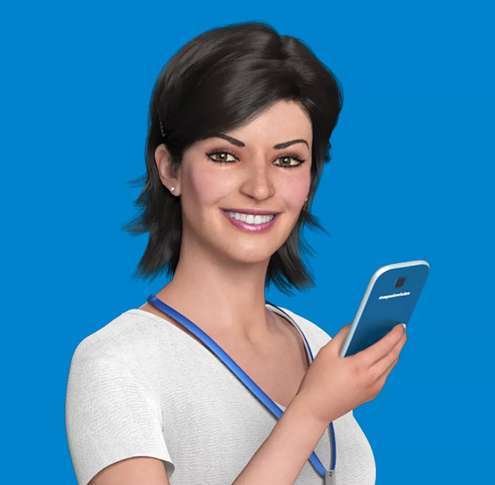
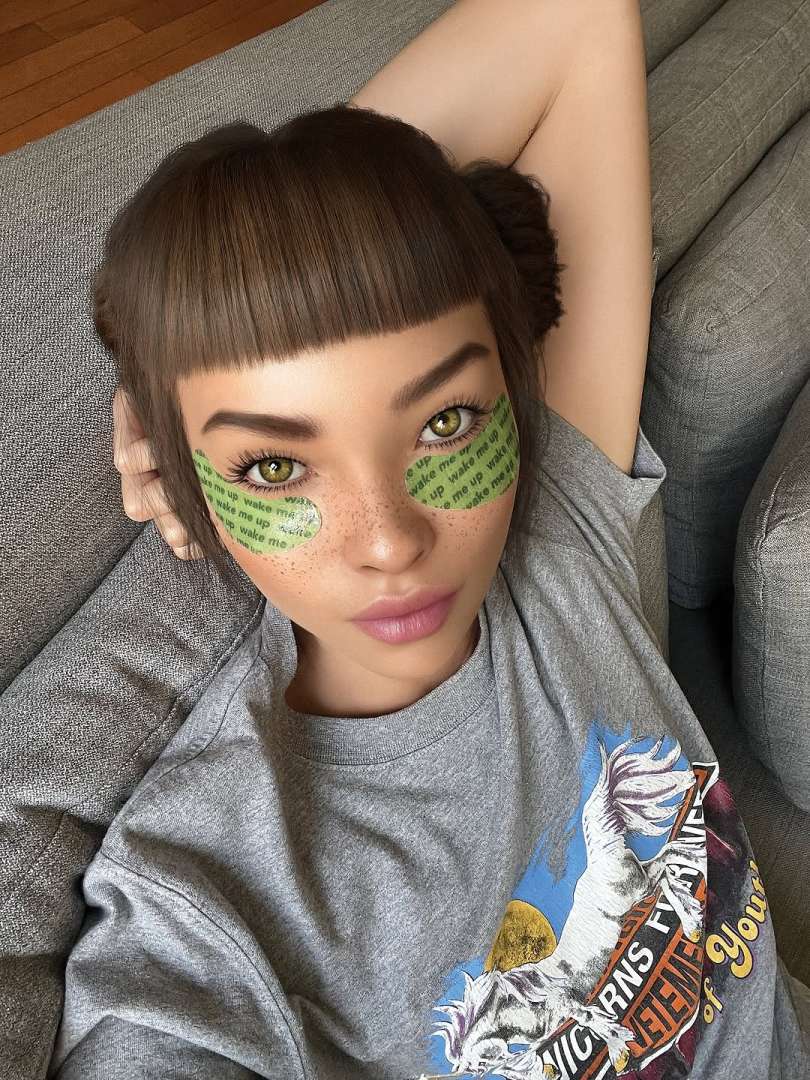

Hong Kong lacks a “right of portrait” law like the Chinese Mainland, making it harder for celebrities to take legal action if their AI-generated likenesses are used commercially. Benjamin says this is a clear example of “the law not catching up fast enough”, where creators, platforms and lawyers are still figuring out what the rules should be. “Sometimes we know that certain acts or behaviour are morally wrong, but there may be no legal recourse.”
Traditional influencer content rarely raises copyright issues unless it uses copyright-protected music or images without permission. But the rise of AI image generators, voice filters and automated design tools is clouding the lines around ownership, originality and fair use. Some AI platforms claim copyright over output, others assign it to users leaving original human artists to question whether their work was used without consent to train these models.
Despite these concerns, Benjamin stresses that AI itself isn’t inherently harmful, most uses benefit creators and audiences. Still, influencers and companies must navigate legal and ethical boundaries carefully, while consumers must stay alert and judicious.
The Mindset
Benjamin ends with a clear message for influencers and followers alike, particularly highlighting young people’s vulnerability online. He highlights the risks of exposure to influencers who wish to monetise their influence and warns young people who look to creators for guidance, emotional support and a sense of identity.
To influencers, he says, “Recognise that you have a responsibility, especially to consumers and followers, and particularly the younger ones who lack experience and discernment.” He urges influencers to be transparent about sponsorships, to avoid unverifiable claims, and to choose what they promote carefully. “It’s about intention. If something feels off, don’t share it. You have to add value to yourself by offering good content if you want to be a good KOL,” he says, adding that quality content adds lasting value.
To followers, he offers a reminder to be “selective, wise and forward-thinking” and to use the same methods of making comparisons as one would before making a purchase in the real world. This kind of critical thinking is increasingly important in the overcrowded influencer field, he says, where young people sometimes follow blindly. With so many legal and ethical grey areas in play, consumers shouldn’t take everything at face value but should fact-check and protect themselves from misleading trends or promises.
Laws and culture must evolve side by side if innovation is to be balanced with accountability. Then, a safer, fairer digital space may be created.