

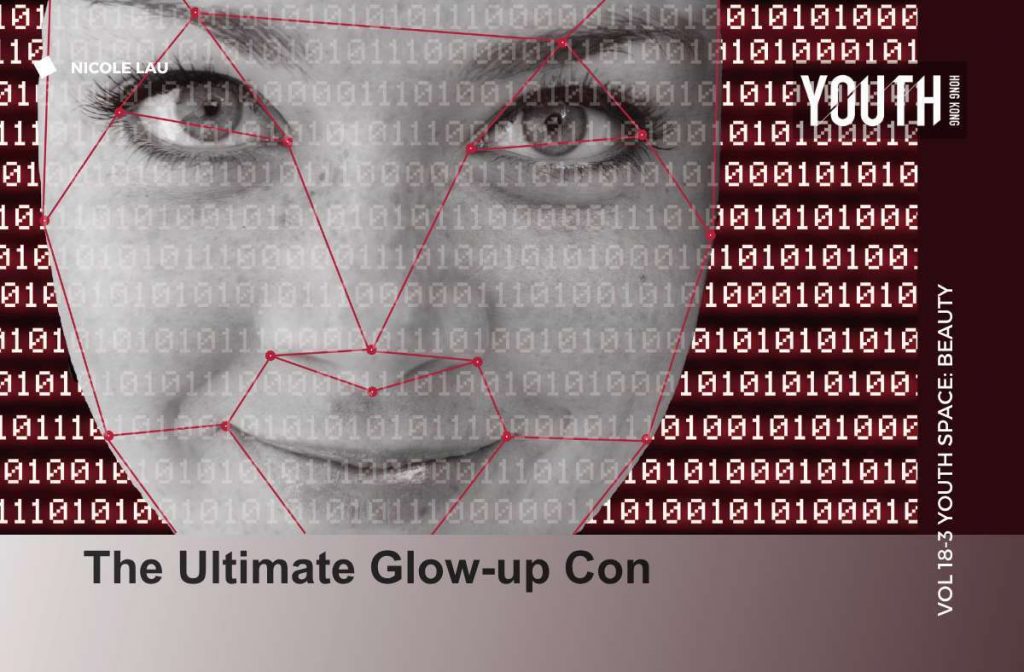
The Ultimate Glow-up Con: Is AI Styling Stealing Our Authentic Selves?
by Nicole Lau
Is AI the ultimate personalised styling tool, or just a sophisticated trap which makes us feel that our real bodies need constant editing?
Truthfully, the entire digital glow-up period on Instagram was a total scam. Yet, we all fell for it. Three years ago, everyone was using those aggressive, heavy filters that pinched our noses into perfect little ski slopes, blurred our skin into smooth plastic and turned every face into the exact same copy-paste version of “perfection”.
But the trend was exhausting. The moment our phone screen went dark, we had to look at our real, unfiltered faces in the reflection. The illusion broke, leaving us sitting in the quiet, feeling completely hollow and deeply insecure. We have always let external forces determine how we look, from comparing ourselves with filtered magazine covers to chasing the cloned “Instagram face” pushed by algorithms.
In 2026, however, things are shifting rapidly. People are actively pushing back against these artificial digital faces. Rather than hiding from reality, everyone is trying out sophisticated AI models like GPT Image 2.0 to see who they are deep down. This isn’t about adding another layer of fake digital makeup. The tech operates more like a highly personalised digital stylist. By analysing your real hair texture and skin undertones, these tools build a style that works with your natural features instead of erasing them.
Searching for Control
Why has this sophisticated photo-styling tech suddenly exploded? Honestly, everyone is burnt out from forcing themselves to fit in. For years, teenagers have been trapped between relentless DSE preparations, strict school uniform rules, and impossible beauty standards. The rush to these new AI tools is a quiet, almost desperate effort to take back control of our own identities. While old filter models slapped an unnatural haircut on top of your photo, today, we want technology that actually respects our unique traits.
I decided to test this out myself with the viral 「Hair Analysis」 prompt circulating on social media. I uploaded an untouched selfie and waited. What came back completely caught me off guard with its extreme subtlety and accuracy. Since I have a soft, round face and straight, fine hair, the breakdown totally nailed what works for me. I ended up with a suggestion of half-up, soft curtain bangs and shoulder-length cuts. Even though it’s just a reference tool, seeing those hair tips mixed with my neutral-warm colours made everything click.
Yet, as I stared at those flawless options on my screen, a quiet, heavy sinking feeling crept in. It completely messed with my head. Having a perfect digital copy of myself didn’t make me feel secure. On the contrary, it totally threw off how I feel about myself. I looked at the screen and wondered: was this confidence real, or was I just seeking validation from an algorithm?
Perfecting Identities
Watching my schoolmates interact with this tech really broadened my horizons about how differently our generation perceives beauty. In days gone by, if someone found the ultimate beauty hack, they’d take that secret to the grave just to stay ahead. Today, the entire culture of gatekeeping is gone. Everything is built on openness and collaboration. The viral “Steal-My-Prompt” trend has turned personal styling from a lonely obsession into a collective experience, where people trade their prompts for likes. It’s wild that a professional style consultation, which used to cost a fortune, is now free for anyone with a smartphone.
But where does this obsession with 「perfecting」 our identities really end? To me, it feels like a trap.
Absolutely, it’s amazing to see the executives of the fashion industry lose their power, and a safe online space is created for people to experiment. But if you look closer, the new technology leaves you with a heavy kind of anxiety. It makes you feel like your actual body is a project that you constantly need to fix and edit. We are not trying to imitate an inaccessible Hollywood star. Instead, the software makes the threat much closer. We are forced to compete against an idealised, digitally perfect version of ourselves.
Owning Choices
In the end, you can’t hand over true beauty to software or define it by a computer output. It belongs in the messy, unscripted flaws that make us who we are — the exact things that algorithms are designed to smooth out. AI doesn’t make us authentic; it just builds a much more sophisticated standard of perfection. If we allow algorithms to shape our best selves, we risk losing the random choices that make us human.
Looking at this whole trend reminds me of the classic and iconic runway lesson from The Devil Wears Prada: You can see beyond what people want and what they need, and you can choose for yourself. As Miranda famously implies, your style isn’t about seeking approval; it’s all about owning your choices. Use the AI to open the door, but walk through it yourself. ■
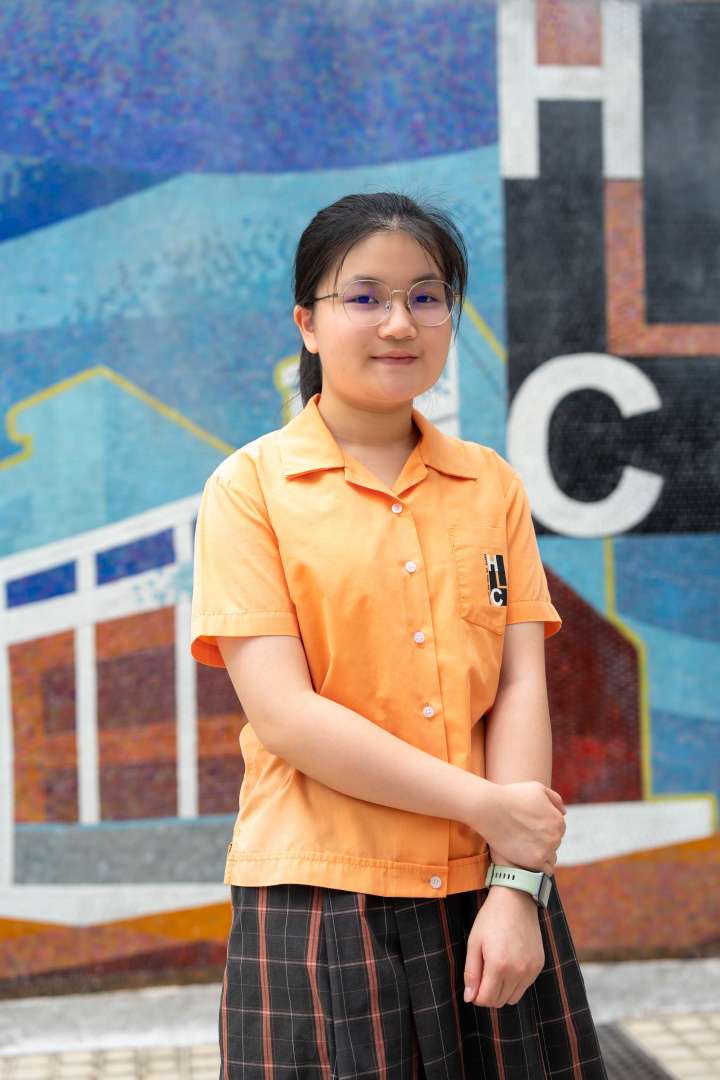
Nicole Lau, a student at HKFYG Lee Shau Kee College, is fascinated by the interplay of science and technology. She firmly believes that writing can effectively convert intricate concepts into captivating information.