


New Development, New Imagination: How Hong Kong Youth Reimagine the Northern Metropolis
How would youth reimagine the Northern Metropolis?
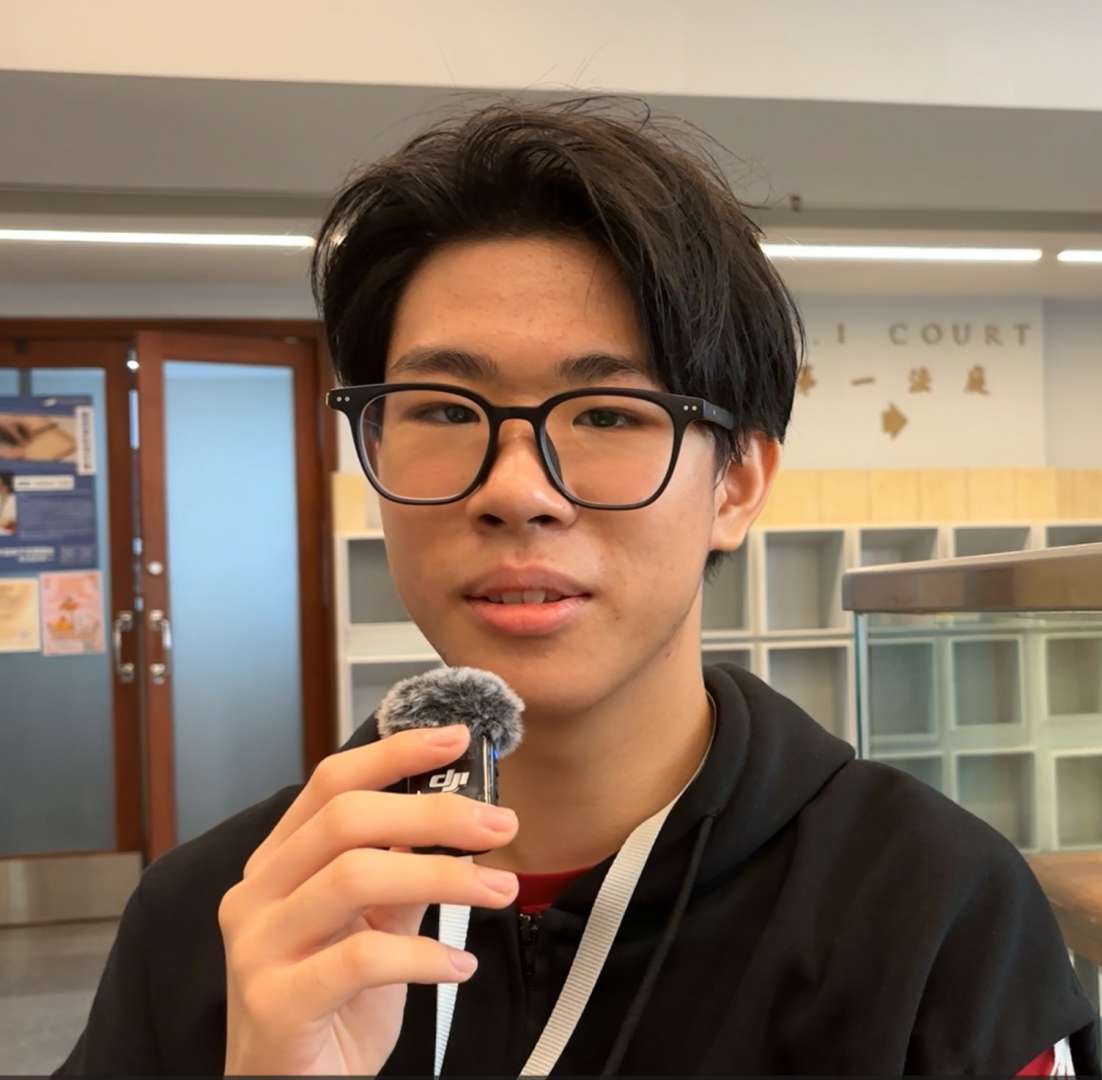
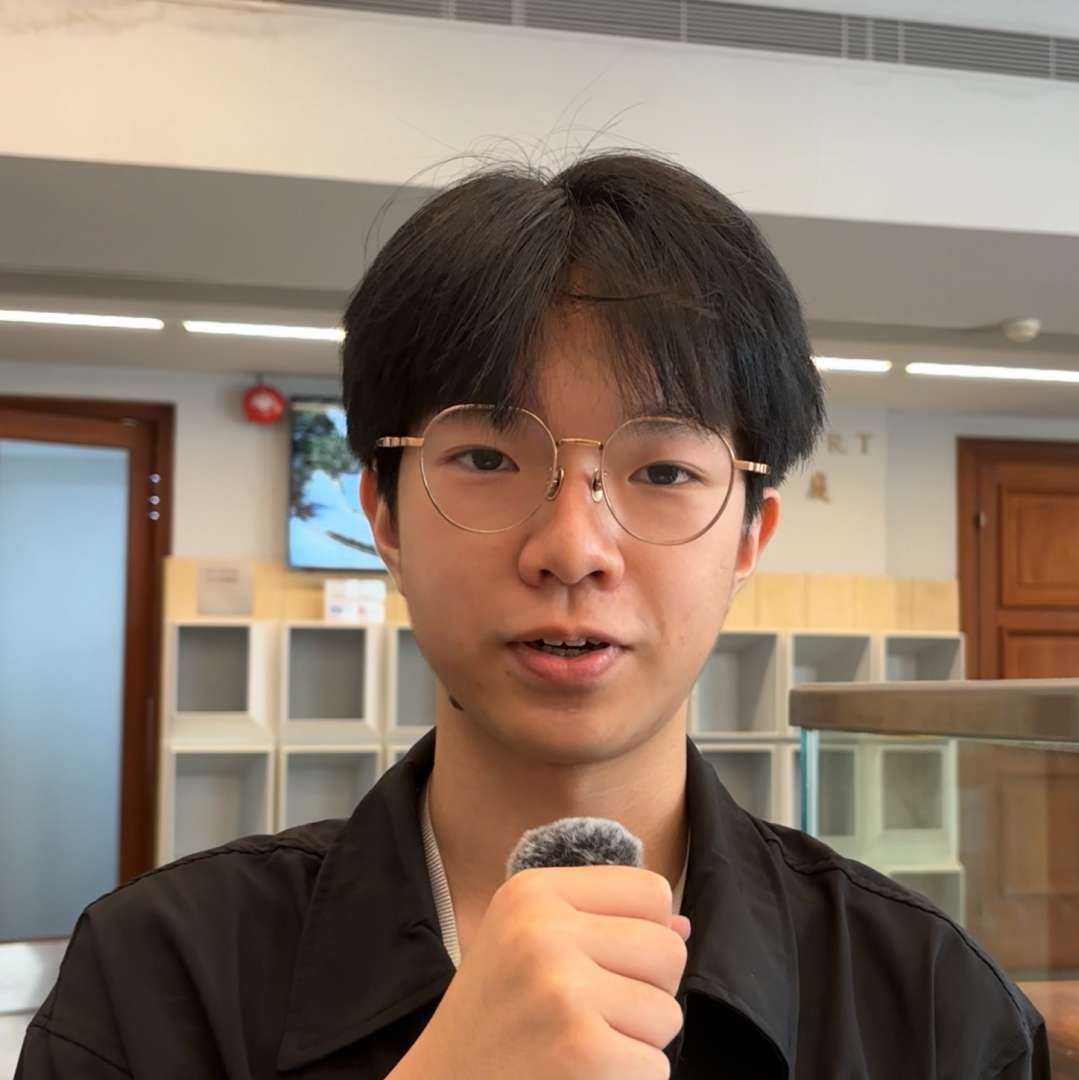
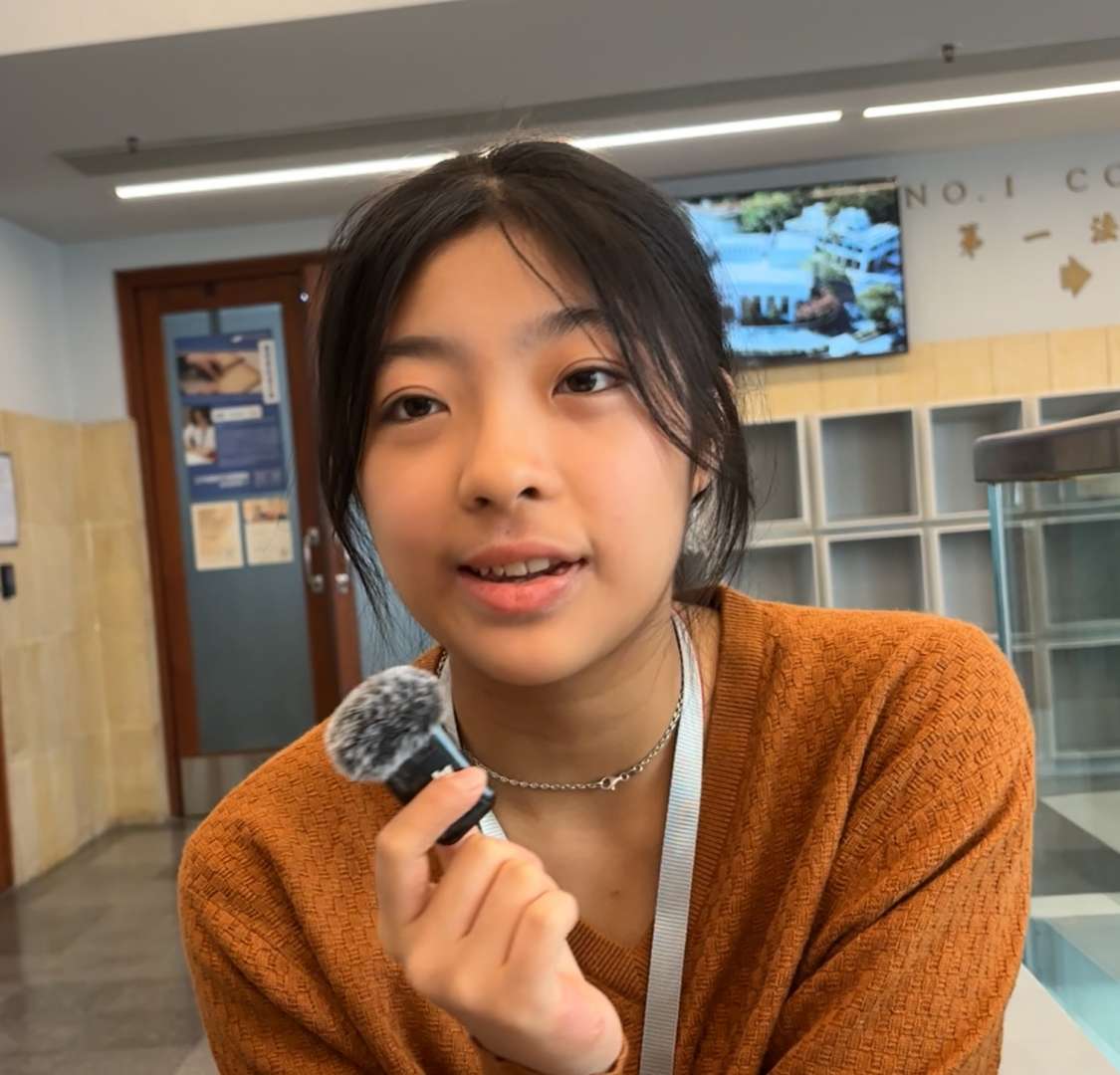
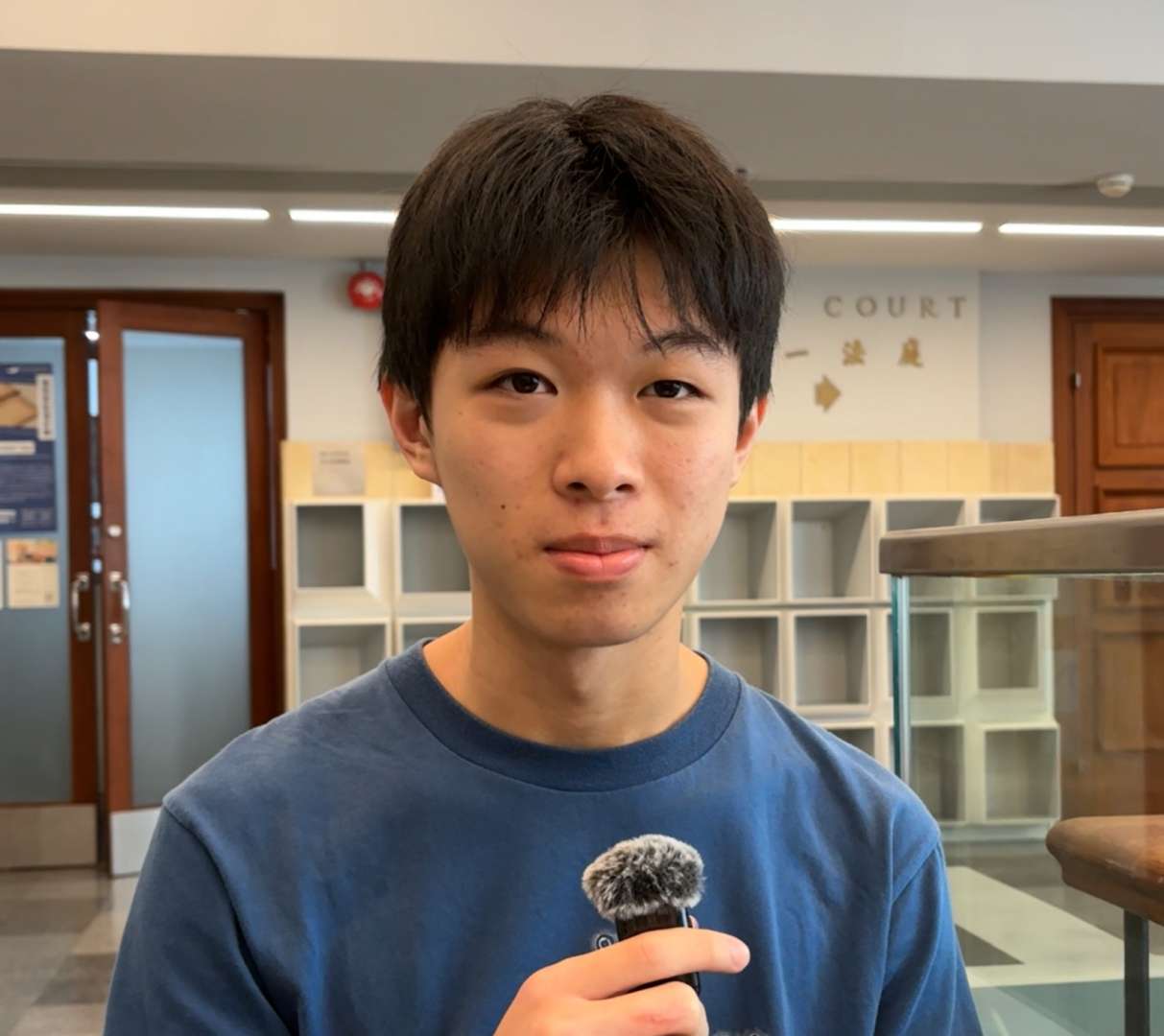

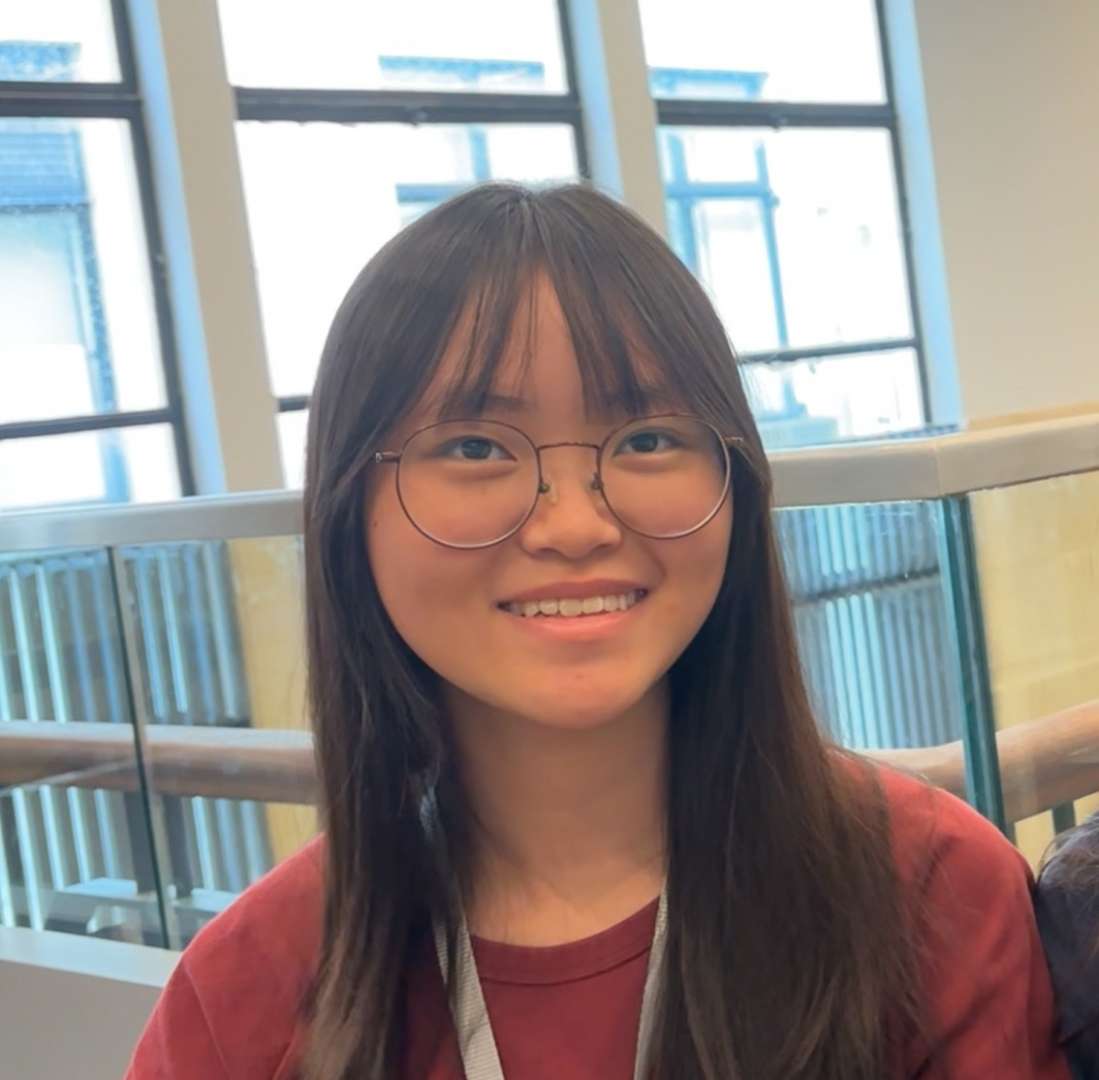

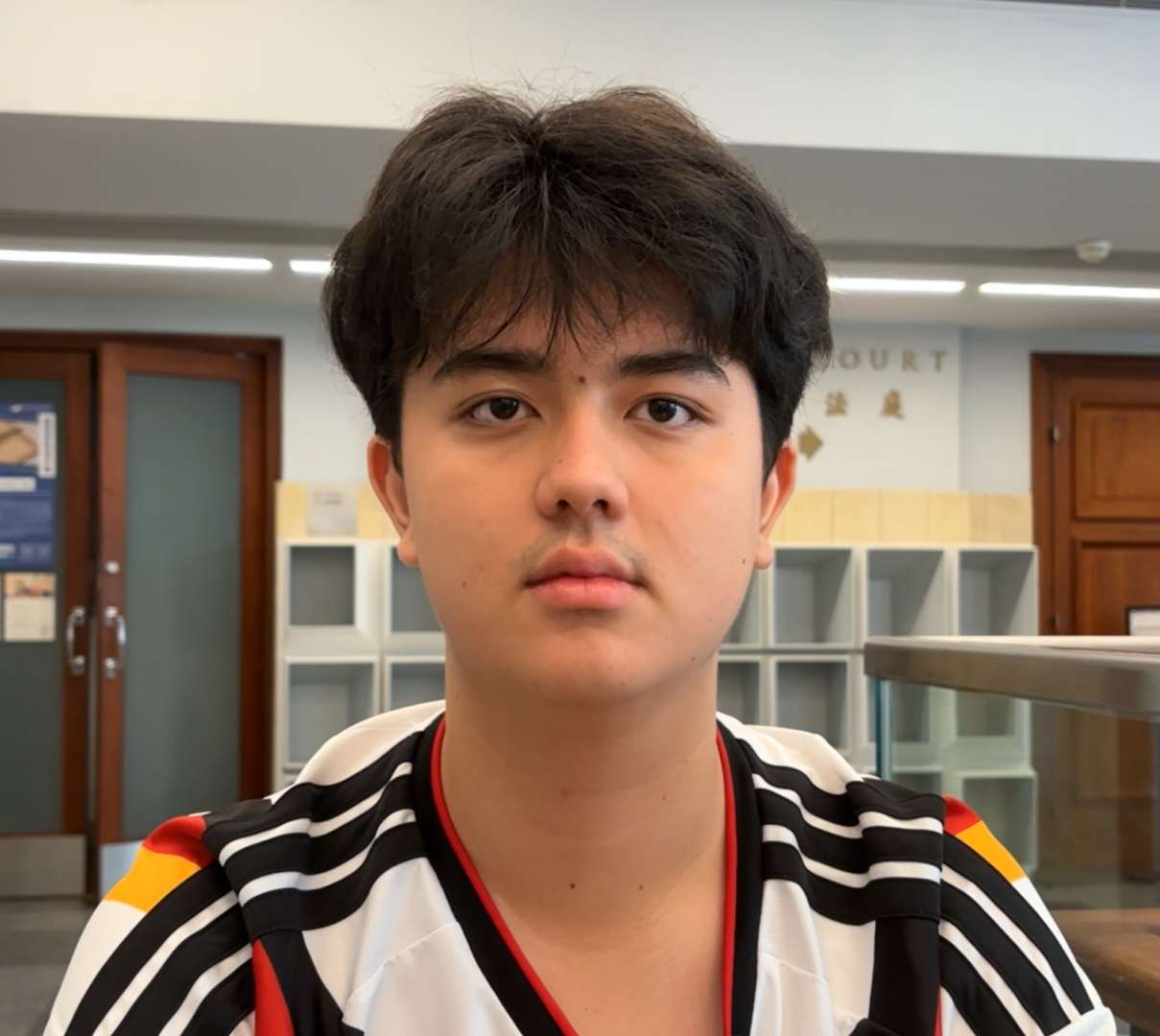
1. Have you heard of the “Northern Metropolis”? What comes to your mind first?
Kruz: Yes, I have. The Under Secretary for Development visited our school previously to give a presentation on the Northern Metropolis, so I did a bit of homework back then to understand what it actually is.
Rex: My impression is that it seems focused on hosting major events and fitting into specific lifestyles, though it obviously incorporates financial elements as well.
Lynette: I think it’s a good idea to make better use of our land. Hong Kong is densely populated and lacks housing space. Developing more residential areas and building universities is positive. So many people compete for university degrees in Hong Kong, so adding another institution would be great.
Kalong: Yes, I’ve heard about it on the news regarding plans for more buildings, public facilities, the MTR, and economic infrastructure. I think it’s a good concept, as northern Hong Kong hasn’t been developed much over the years. It adds more space, which helps accommodate mainland citizens who are settling here.
Jade: I heard about the project details at school, such as developing the northern part of Hong Kong. It reminds me of places I’ve visited recently in the New Territories, like the Wetland Park.
Kenneth: My first thought was, is the government wasting money on mega projects like this, while we were facing deficits?
Andy: I’ve participated in competitions and events related to it, visited the site, and recently entered a competition directly focused on planning its development. I know the Northern Metropolis is included in the National 15th Five-Year Plan, featuring university town developments and an international-standard skatepark that is already open and very popular. I think it’s a great decision; a new city development like the university town will offer plenty of new work experience and opportunities for my future.
2. What parts of the Northern Metropolis plan sound most interesting or exciting to you?
Kruz: Being tech-oriented, I hope the area provides space for start-ups to conduct research and innovate. I’m also curious about how they plan to preserve the many natural conservation zones in the northern district.
Rex: I don’t hold particularly high expectations, but if it can drive Hong Kong’s overall urban development, that’s a positive outcome.
Kalong: Perhaps they will expand the marine ecosystems. It seems the government is finally recognising ecological risks. Implementing geoparks or marine parks would be very beneficial and give citizens another tourist attraction to visit.
Jade: It’s interesting that the government wants to construct buildings and revitalise the New Territories. Unlike the skyscrapers of Hong Kong Island and Kowloon, the New Territories feature extensive recreational areas and farmland. It’s important to maintain its natural resources and character so people from other areas can experience a different side of Hong Kong.
Kenneth: Honestly, more flats. At least then I’d be guaranteed a roof, and with more jobs around I wouldn’t have to worry about being unemployed. Worst case, I’d just drift over to McDonald’s and get myself a job!
Andy: I am most excited about the transport infrastructure. The project is designed to connect Hong Kong directly with the Chinese Mainland and Shenzhen. Shorter travel times will make commuting much more efficient, benefiting both logistics operators and leisure travellers while boosting economic growth.
3. What worries you most about big urban projects?
Kruz: Hong Kong’s wetlands are crucial natural treasures. While the government can set waste discharge regulations, I worry about enforcement, or that unscrupulous businesses might pollute these nature reserves.
Lynette: Building homes for Hong Kong residents is good, but we shouldn’t exploit animal habitats. Animals need to survive too, so we shouldn’t take over their habitats.
Kalong: Building extensive infrastructure causes significant pollution. Global warming is already terrible, and constructing taller buildings will only harm the environment further.
Jade: It feels a bit alienating since there is a noticeable lack of street life. Walking down the street would feel like moving purely from point A to point B, rather than exploring independent shops along the way.
Kenneth: I worry that the government will run out of money, with elderly subsidies and student allowances already being cut. Projects like the MTR Tung Chung Line Extension, near where I live, keep dragging on, and if we pile on more mega-projects, finances could collapse.
Andy: Developing a self-sustaining 「small city」 covering roughly a third of Hong Kong’s landmass requires immense capital and labour. The construction cycle is long. For example, the university town might not be finished even after I graduate. In the short term, the economic returns will be low, potentially creating debt and placing Hong Kong in a period of economic stagnation rather than prosperity.
4. What do you think young people your age need most in a new city area like the Northern Metropolis?
Kruz: As a Secondary 5 student thinking about future university life, I would like to see proper library facilities, private study pods, and a tech-driven or eco-friendly environment.
Rex: I prioritise basic infrastructure and hygiene. I don’t mind if the surrounding amenities are sparse at first, as long as the area is clean. Some shopping malls in the Chinese Mainland rely on squat toilets and are quite dirty, which I’d like to avoid.
Lynette: Hong Kong culture is heavily focused on academic success and making money, which requires physical development. I don’t think every young person necessarily prioritises green spaces and nature.
Vienna: When walking around Tai Wai, the old buildings block out the sky, which feels overwhelming. Seeing trees and greenery helps me relax.
Kalong: Teenagers today desperately need parks and sports centres. Students spend all their time studying and lack the space to relax or play sports. A proper recreational centre would benefit them greatly.
Jade: Social spaces are essential—places where young people can build communities, meet others, and share interests. For instance, I love anime, and visiting local anime shops allows me to connect with like-minded friends.
Kenneth: A place to live and a job. Everyone’s scared of not getting into university, or not finding work. Even basic jobs need family connections these days. And without housing, you step into the real world and end up living under a footbridge with your uncle and your dad. Not ideal!
Andy: Youth our age primarily want recreational amenities, tech-focused hubs similar to the Science Park, and a wider variety of dining options.
5. How do you imagine the Northern Metropolis will affect your daily life when you grow up?
Kruz: I’ve considered starting a business or working on small startup projects with friends. The Northern Metropolis could serve as a solid base or research hub for us to expand our initiatives.
Kalong: It won’t affect me much because I don’t plan to move there. Being on the far northern border makes commuting to central business districts extremely time-consuming. A friend of mine who lives in the north has to wake up at 05:30 just to reach his school in Admiralty by 08:00. Commute times are a huge drawback, though I might reconsider once the MTR connections are fully integrated.
Kenneth: I picture moving there to retire, honestly. If they really keep the fish ponds and conservation areas as they promised, I could go fishing (only if it’s legal), and a new town’s bound to be nicer than the old, grimy ones. Like Sham Shui Po had its day.
Andy: I won’t be able to enjoy the university town facilities as a student myself, as construction will likely only finish around the time I graduate.
Caption: A sketch by Kenneth features public housing development with gardens, shopping areas, recycling facilities, a sports centre and a swimming pool.
6. If you could design one new public space in the Northern Metropolis, what would it look like?
Kruz: Without budget constraints, I’d model a public space after Google’s US campus, featuring networked smart amenities, open layouts, and autonomous shuttle vehicles or rental bikes for easy transit across larger distances.
Rex: I would design an inclusive community hub with clubhouse facilities for all ages to foster cross-generational communication. There is currently a generational divide, but a shared environment could help reduce awkwardness and allow different age groups to understand each other better.
Vienna: I’d create a simple fitness space. Many students focus strictly on academics and money, but need a place to unwind during their free time. Adding quiet rest areas nearby with books, like a mini-library, would let people relax after working out.
Lynette: I’d construct a simple fitness trail designed for walking and running that causes minimal environmental impact. Runners could enjoy the surrounding natural flora without disturbing the ecosystem.
Kalong: I would design a sports centre. I’m an energetic person who loves staying active, so that would be my priority.
Jade: A climate-controlled park or greenhouse. Many people avoid nature due to the extreme heat and mosquitoes, so a greenhouse setup would let people enjoy greenery without the physical discomfort or risk of bug bites.
Kenneth: If I could build whatever I wanted? A house for myself. Because, same old story: if I design the thing but I can’t even live in it. What’s the point? I can’t benefit from this.
Andy: I’d choose a site just north of Queen’s Hill Estate. The terrain there is very flat and sits alongside a small river near existing residential estates. I’d design an iconic landmark, which is similar to the Peak Tower or the Bank of China Tower, to give northern Hong Kong its own identity and drive local economy.
7. Message to the planners and leaders behind the Northern Metropolis
Kruz: Please focus on strict policy enforcement, particularly regarding industrial pollution and waste discharge, to ensure companies truly adhere to conservation standards and protect Hong Kong’s environment.
Lynette: I hope leaders cherish the land. Hong Kong has many people with housing needs, but we must strike a balance between human development and preserving natural plant life.
Vienna: Don’t focus excessively on innovation and futuristic expansion. Sometimes it’s better to maintain the existing environment rather than overbuilding.
Kalong: They are doing a good job so far, but they should adopt less polluting construction approaches to minimise deforestation in northern Hong Kong.
Jade: Prioritise the needs of local Hong Kong residents over tourists. While harbour developments often target visitors, planners should consider local stakeholders, such as the fishing community.
Kenneth: Build more homes, mainly public housing, and stop building more malls. Hong Kong needs places to live, not places to shop. Malls are already everywhere. If you want to buy something, you can just step outside, but you literally cannot find somewhere to live. My ideal Northern Metropolis is heavy on public housing and actual conservation, not fish ponds built as a publicity stunt later left to rot.
Andy: Ensure robust flood prevention and drainage systems are in place. Flat terrain makes construction easier, but it carries a high risk of flooding. Proper infrastructure is essential for the new city to develop smoothly. ■