



As Typhoon Signal No. 8 empties the streets and shuts down the city, Kelly Lin is hurrying toward the one place she knows people will gather: her livestream. Unlike most occupations we know, her live streaming business sees the most active audiences under severe weather conditions. Kelly began her journey in 2020 as a live-commerce host, before it became a trend during COVID.
Hong Kong’s live-commerce industry is accelerating as education institutions and major e-commerce players move to train new talent, responding to rising market demand and changing consumer behaviour. COVID‑19 pushed retailers and small businesses onto live streams to clear stock when foot traffic collapsed, although its size is still smaller and more fragmented than the Chinese mainland
“Live commerce is now a core part of e-commerce,” says Garry Lau, Senior Lecturer at the Department of Business, Hong Kong Institute of Vocational Education (Sha Tin), in a written interview, adding that the growth potential of Hong Kong has led to “a strong need” to nurture live commerce professionals.
To meet this rising demand, the Vocational Training Council (VTC) signed an MoU with Hong Kong Technology Venture Company Limited (HKTV) in 2024 to nurture talents for the digital and e-commerce sectors. The collaboration allows students to directly participate in live streaming production, enabling them to grasp the essentials of e-commerce operations.
Unlike the traditional way of building connections with customers face-to-face, Kelly says live-commerce hosts need to build trust with customers online.
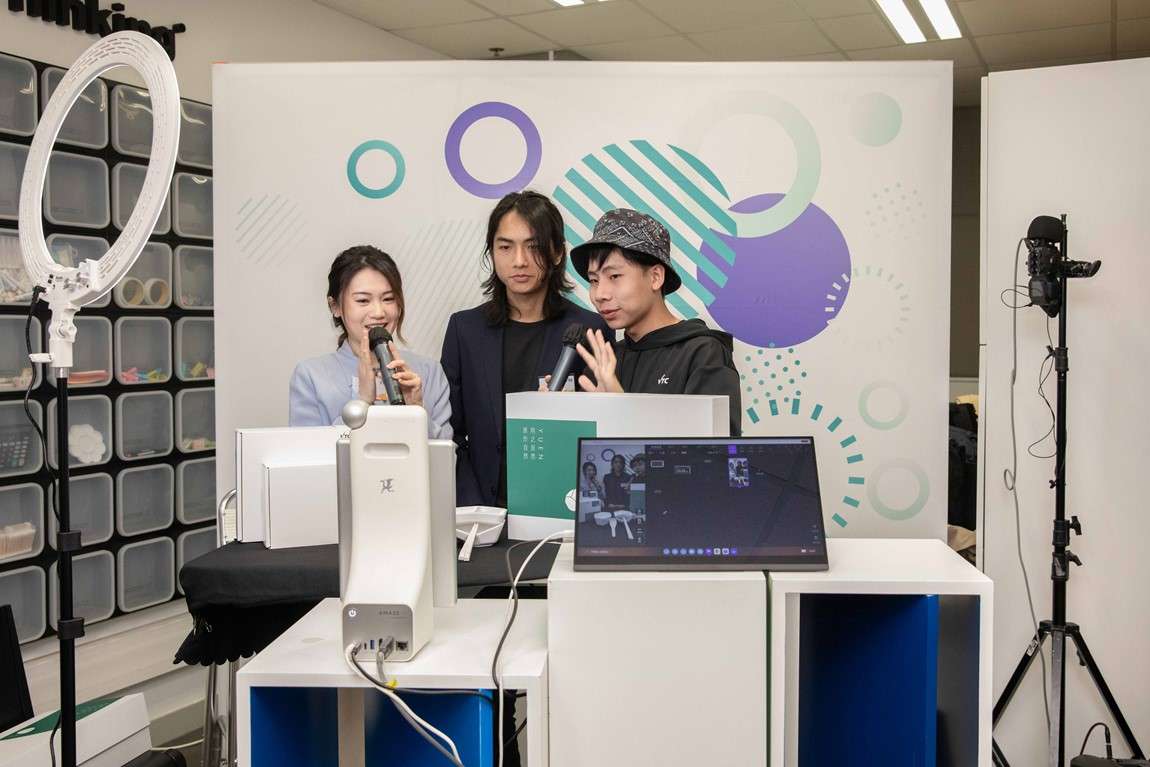
Common misconceptions, Garry says, are that an e-commerce host only needs good speaking and selling skills or that only celebrities or KOLs can become hosts. However, he notes that a professional broadcast requires teamwork, clear role specialisation, in-depth product knowledge, customer segmentation, real-time audience interaction, platform analytics, and seamless order fulfilment.
At the Hong Kong Institute of Vocational Education, students now train across three key areas: on-camera performance, backstage operations, and business and ethical practices. Each element, Garry emphasises, is essential to producing streams that are both engaging and commercially effective.
With the development of cross-border logistics and live commerce, Garry says Hong Kong welcomes new opportunities to expand into the Greater Bay Area and the Southeast Asian markets. With bilingual e-commerce talents, he says, made-in-Hong-Kong products and other consumer packaged goods will be able to reach global and regional consumers directly, increasing profit margins and reducing reliance on physical stores.
The post-pandemic landscape has seen an increasing number of consumers adopt home-shopping habits, a trend that promises significant growth potential for the market. Kelly thinks this growth is further amplified by the development of AI, which is already being integrated into the live-streaming process to offer more efficient assistance and interactive possibilities.