

by Judith Lee
A look at how influencer culture has evolved into a new attention-seeking economy that reshapes the way we see and interact with the world.
I’ve always been proud to be a millennial, born of a generation that experienced life without the glow of a smartphone and then within the full, disruptive force of the internet. This dual perspective means our memory of the world is still sharp: phone cords, landlines, and celebrities defined by local television stations.
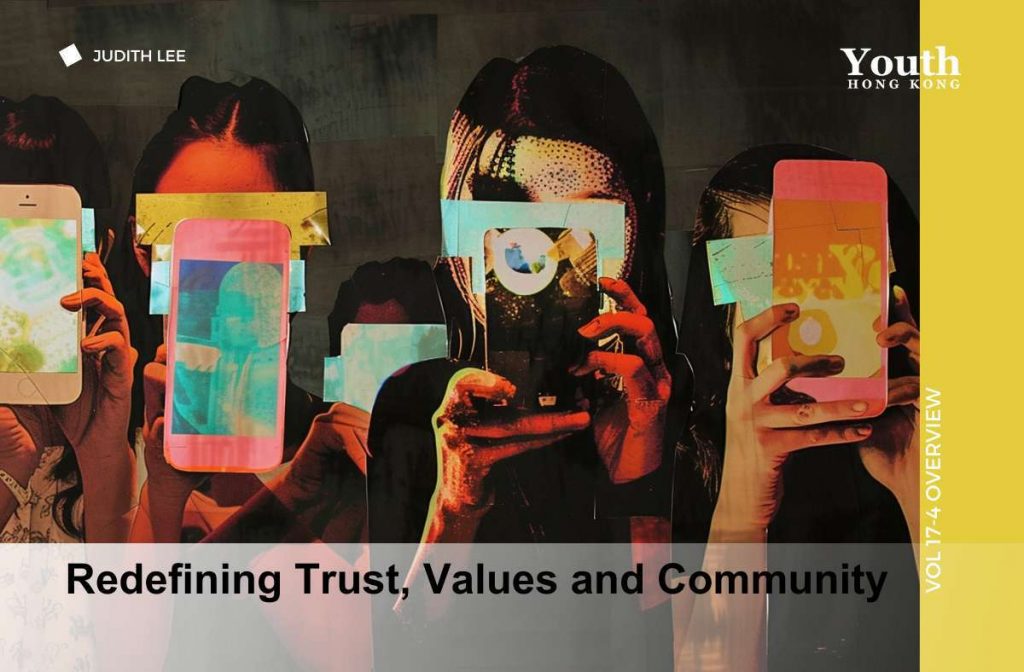
The analogue world’s monopoly on attention didn’t just fade — it exploded, ushering in a fragmented new reality. The rise of video and short-form content like Instagram Reels and TikTok, alongside platforms popular across Asia such as Xiao Hong Shu (RedNote or 小紅書), added a type of “virtual” authenticity and emotional immediacy. It seems that the entire attention game is now run by influencers, Key Opinion Leaders (KOLs), or content creators, a massive group of people who, by virtue of simply turning their entire personal lives into a product, have blurred the lines between real experience and scripted narratives. This profound shift, which extends far beyond mere advertising, is more than a marketing trend; it has come to redefine trust, previously accepted values and our community.
What this means is that, at its core, this new culture of influence represents the pervasive shift in media consumption, commerce, and interpersonal relationships driven by digital personalities. It is a system built on the ability of ordinary people to build trust, seek attention, and turn their passion into a career.
Wait a minute: is it just a new culture, or is it a new economy? It is essentially a new economic system where personal identity is recognised and monetised. Digital creators run their own media empires, and it is more common that consumers trust the influencers more than celebrities or people around them.
A classic example is Chiara Ferragni, the Italian fashion icon who transformed a blog into a global multi-million Euro brand. With over 28 million followers on Instagram, her story is the ultimate blueprint for turning influence into a scalable business, whereby she meticulously monetised her personal life by strategically leveraging her followers to launch her own physical product line and media agency.
Its impact lies not only in terms of building up personal brands, but this culture has changed the way we see the world. I once dreamed of becoming a travel journalist when studying photojournalism. I wanted to capture the real heart of a place, how people live, their best moments and the place’s uniqueness, all through a camera lens, write an article and then share them in the newspaper. That powerful, old-school impulse to document and share the world hasn’t vanished; it has merely evolved. With the rise of influencers, we now have a more immediate and penetrative way of seeing the entire globe.
The generic travel writing of yesterday was often — but not exclusively — about polished photos, perfect itineraries, and fancy hotels. Today, influencers dive into the micro-experiences of a trip or a local outing, discovering the tiny, messy, yet amazing elements of a city. When they share their struggles, their real-time reactions, or those beautifully unedited moments, they immediately break down that barrier between viewer and destination. They’re not some expert reporting on a culture, but more like your best friend exploring alongside you.
I believe that the continuous sharing helps travellers avoid travel disasters. Traditional guides might miss the small stuff, but influencers fill that gap by offering down-to-earth details not always found anywhere else. For example, they provide vital warnings about prevalent tourist scams, share candid lessons on cultural etiquette mistakes, and give heads-up about the way you dress or tip.
Travel influencers turn their experiences into practical, real-world utility for millions. However, there is a caution to this too — the danger of being too intrusive and not culturally sensitive or caring just to get a good story. So, as with everything else, discernment is critical.
While on the surface the influencer lifestyle through their storytelling might appear to be carefree, exotic and envy-inducing, it is actually a huge struggle for these creators to balance their projected image while also trying to be their true selves. They easily burn out trying to be present 24/7 just to keep the algorithms happy and stop people from losing interest. Everything they do, including eating, working out, and even arguing with their partners, can be turned into consumable content. It basically means they don’t have a private life anymore; it all gets turned into a product.
Chasing algorithmic trends and securing commercial partnerships often undermines the public’s perception of a creator’s genuineness. For instance, many brand deals are hidden or inadequately disclosed. Yet, some influencers manage to navigate this promotional minefield, retaining the trust they have cultivated with their audience while effectively endorsing products. This dynamic underscores once again why media literacy is essential today.
This new attention-seeking economy relies on complex, multi-layered monetisation far beyond basic brand sponsorship, with creator revenue from paid posts, merchandise, and subscriptions. Crucially, success now pivots on engagement rate. This focus on deep connection drives the rise of micro-influencers and necessitates the constant output of highly personalised content.
Young people who participate in this new business model are, in essence, starting small businesses, after acquiring vital transferable skills in editing, data analytics, budget management, and persuasion tactics. The creator journey functions as a real-world vocational training programme, offering youth a competitive advantage beyond traditional academic qualifications.
In a city defined by high-pressure, narrow career paths dominated by finance and property, could this be a genuine economic opportunity? By bypassing rigid corporate structures and basing earnings from niche passions, this seems like a thrilling new blueprint for life and work, providing a robust alternative to the latest challenging financial realities.
Ultimately, influencer culture is not a passing trend but more an economic and cultural shift, based on trust being established within unknown communities, and value being redefined. While some may argue that this model represents our traditional ways of being, I believe it simply provides a modern model for skill acquisition, social relevance, and personal expression for youth nowadays, and at the same time, new forms of consumption behaviour.
Who knows what attention seekers will plan next? With the media landscape constantly changing and relying more and more on the online connection between a creator and their most engaged followers, we’ll have to wait and see. ■